.
I would like to share with you an interesting scientific study on Latin dancing and its effects on mental and physical health, published in 2023.
The study included over 1700 participants, mostly college, middle school, and the elderly, who took twice-weekly Latin dance programs within a consecutive three to eight month period. The conclusions emphasized a wide variety of improvements in the quality of life for the participants.
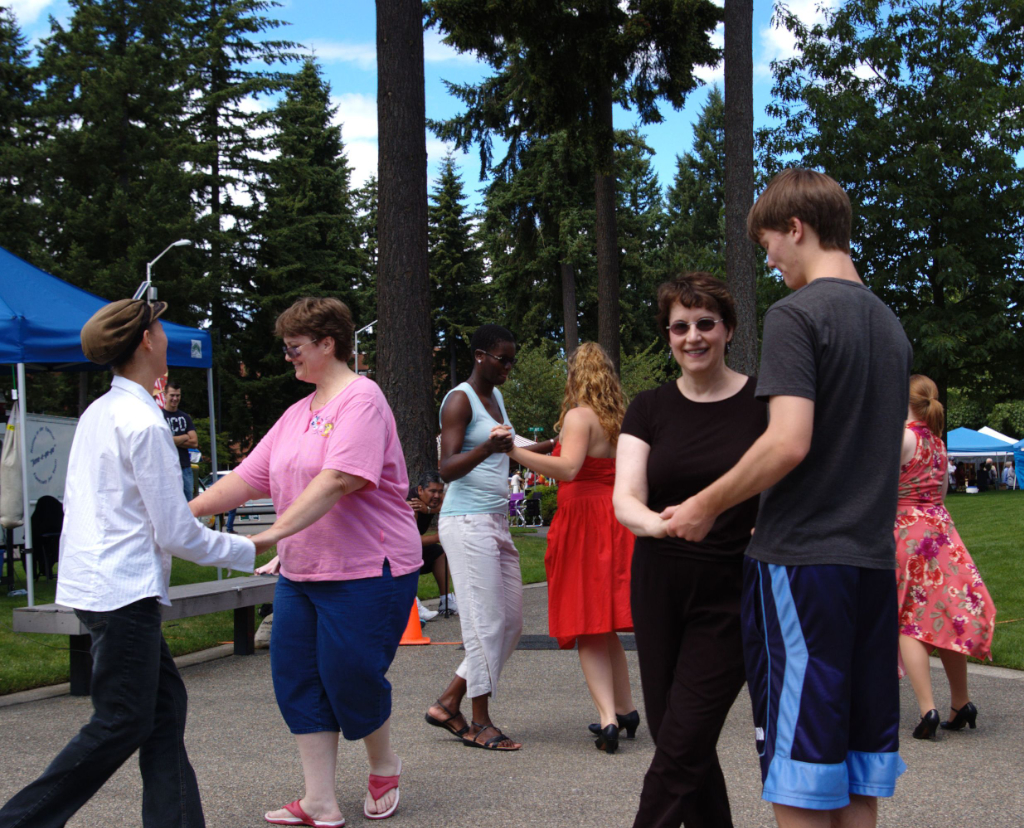
Through the many years I have taught, performed, traveled, and trained, I find this study exemplifies my observations of partners, students, dance groups, and most vividly, myself.
For me, the most interesting aspect of Salsa is how people of different demographics are able to come together and enjoy each other. Nothing has to be spoken. The movement, the positive interactions, the learning together, creates a comfort that you are not the only one who is learning the move, and that everyone is okay with how you learn. And most likely, they too, are appreciating that you are okay with their process of learning.
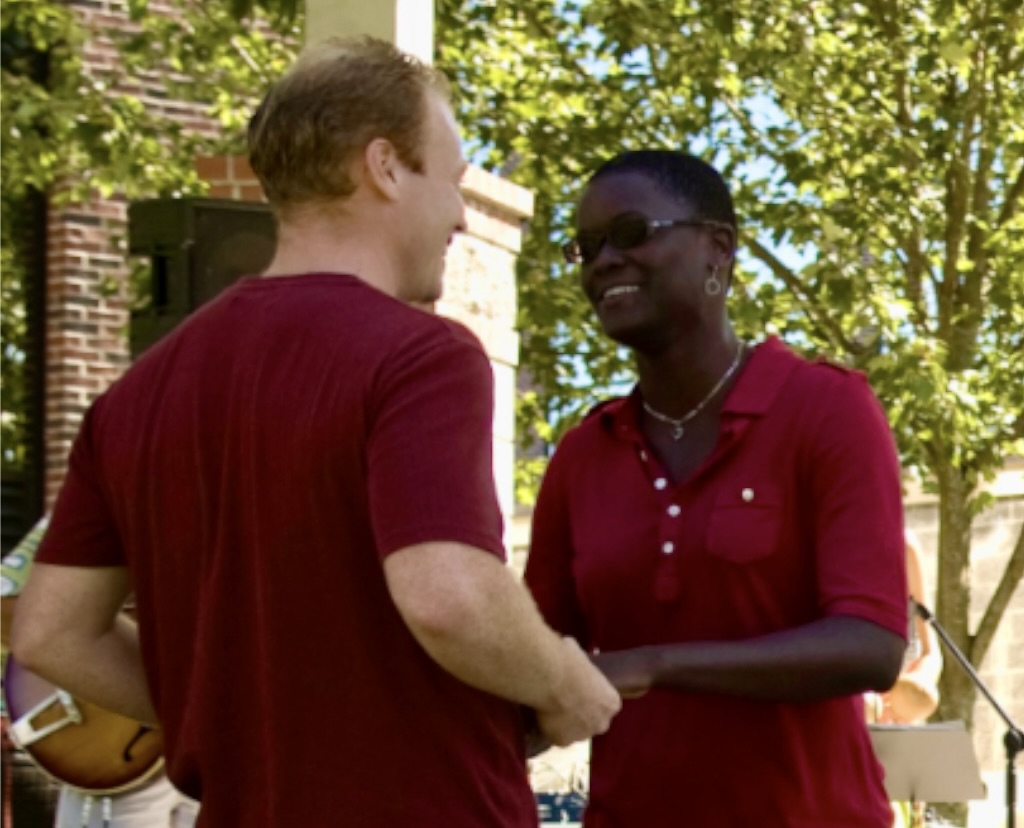
In this supportive environment of kindness and patience, everyone has the opportunity to try the moves again and again. All of it is beautiful – the laughter, everyone dancing together with the same beat on their feet – it is such a wonderful experience, being with others and enjoying movement and rhythm together.
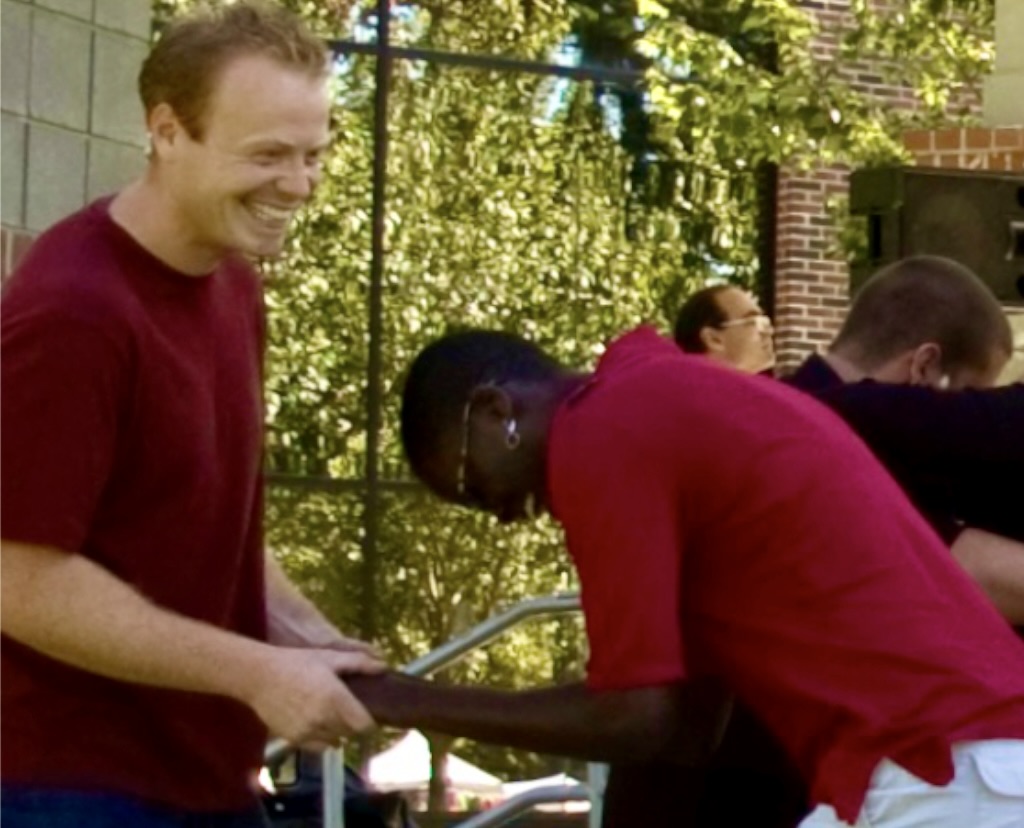
And, it’s just fun!
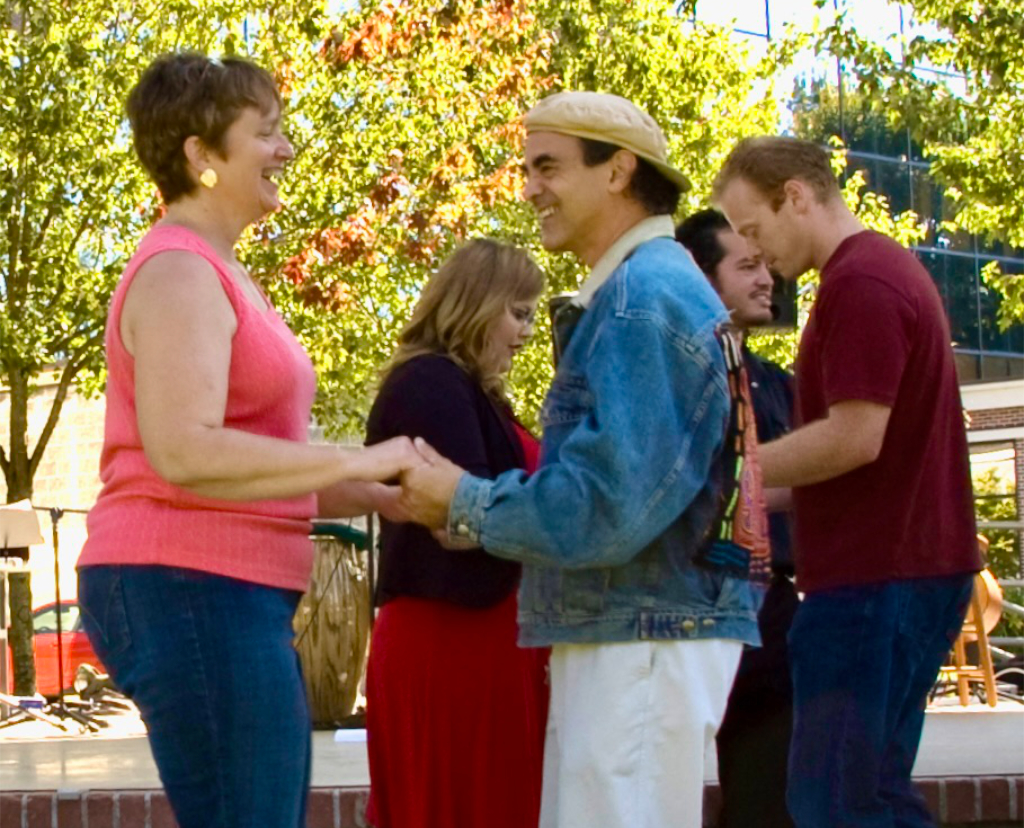
Though, now having read this study, I have a new perspective on why I always feel so much better after dancing Salsa!
They propose that a self-confidence is achieved by participating in mutual understanding, experiencing cooperation, social connection, and emotional support while learning and moving through the steps and sequences.
They also determine that moving in the complexity of the patterns, and the combination of the steps with the rhythm, can improve cognitive function, memory, and concentration, all of which contributes to a sense of well-being as the dancer grows and develops, creating new memories for the brain, almost re-wiring itself in neuroplasticity.
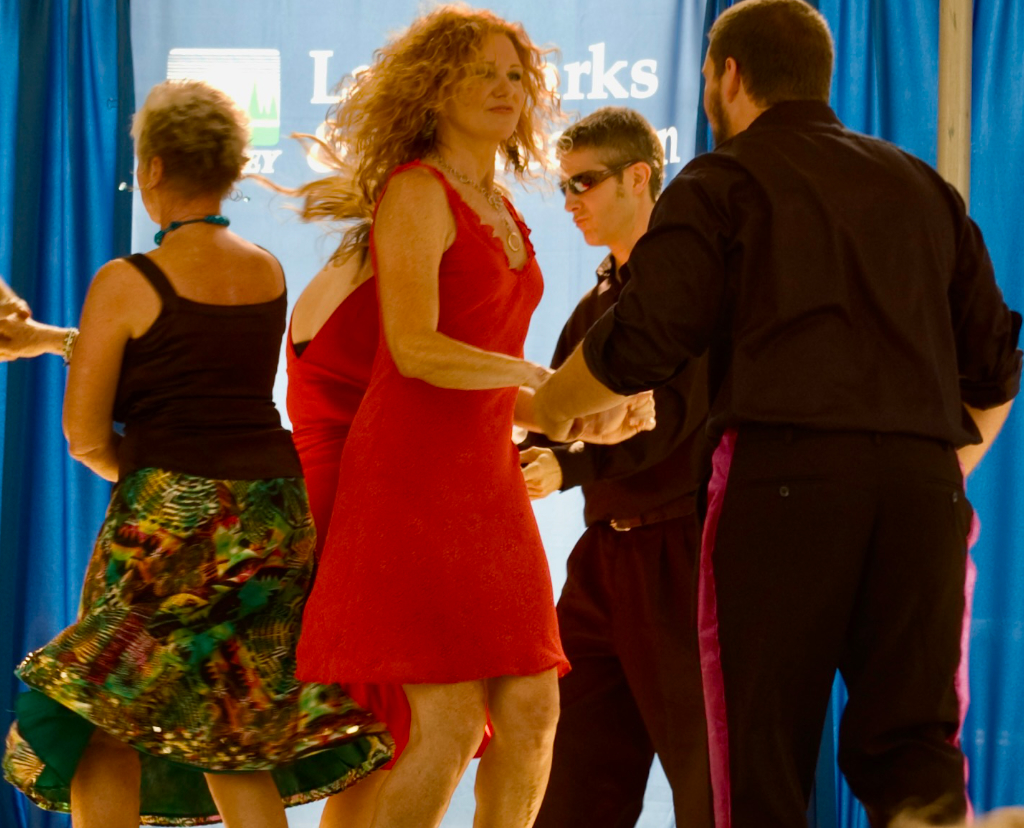
It is interesting that the study includes middle school and college students – I wonder if it is because these are times in life where it is common to endure challenges of change and hardships of isolation?
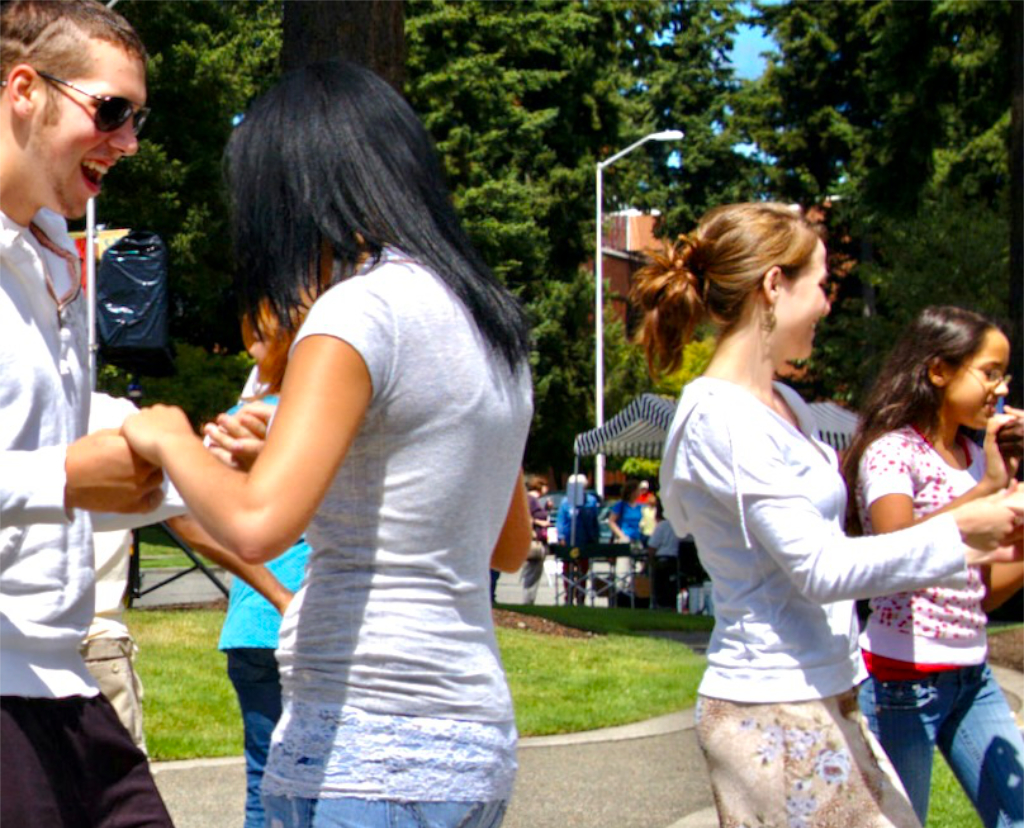
For four years, I taught Salsa at a community college, where high school students also participated. The program was very popular with long waitlists, yet at the beginning of each quarter, I was surprised to see many of the students shuffling in, heads down, looking shyly about, expressing anxiety of being there.
And then, by the end of the quarter, they held their heads high, gave much respect to each other, and excitedly shared their own combinations of moves and styles. And, in later years, when seeing them in the community, many expressed appreciation of how Salsa had changed their lives: they danced when traveling, they set up dance clubs in their new schools, they got married to their classmate, or they “lost a ton of weight.”
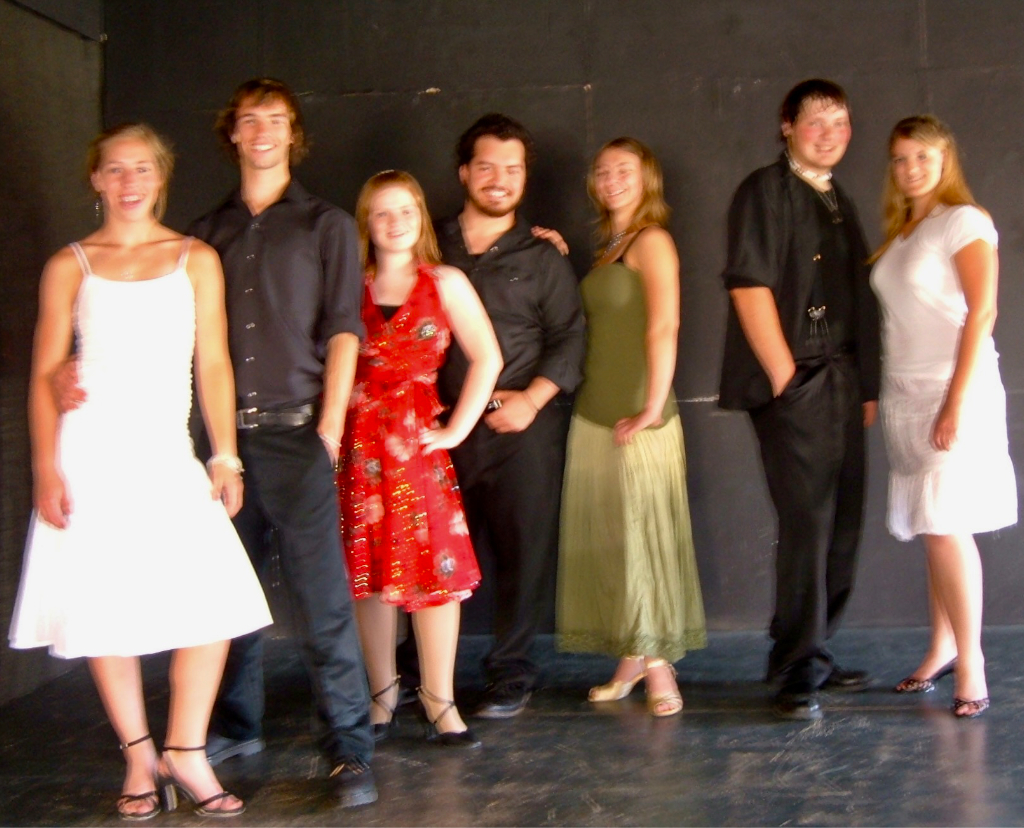
When watching the students dance at the end of each quarter, I often wondered at the magic of positive transformation that I saw take place, and after four years of similar results within each different group of students every quarter, I was mystified. Of course, I had my own theories.
Yet, now reading this article, I feel I might be just starting to understand – that it could be a simple fact that the effect of the combination of the movements, the music, and the social aspects are what helps to create this magic.
Yes! I believe so!
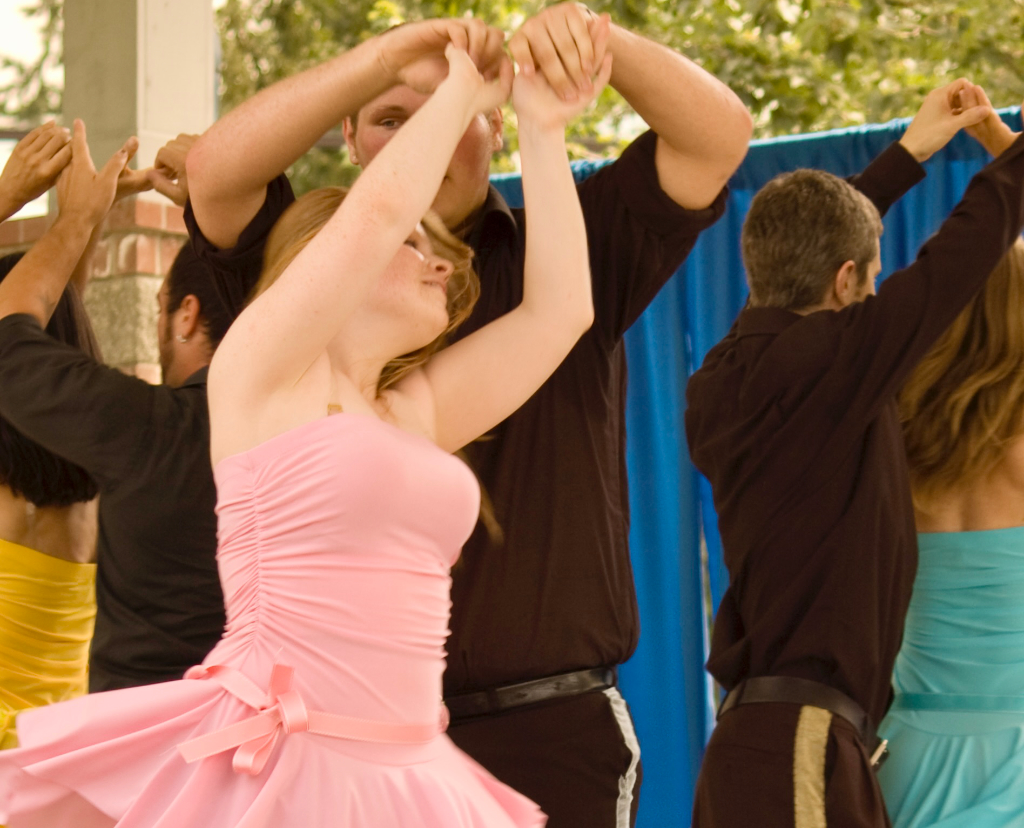
The study is extensive, laying out how the effect of Latin dancing is healthy, in mental and/or physical commonly-identified challenges within specific demographics. They also observed that there are overlapping effects, both mental and physical, within all of the groups they studied.
Here are some of these overlapping effects I found interesting:
- anxiety and depression
- release of endorphins, a social and enjoyable activity
- balance and coordination
- complex footwork and weight shifting improve balance
- body image
- rhythmic movement encourages self-expression and appreciation of body
- cardiovascular endurance
- repeating movement increases oxygen and heart rate
- cognitive function
- coordination in movement promotes cognitive health
- flexibility
- stretches and motions promote muscle health and joint mobility
- muscle building
- weight-bearing movements activate major muscle groups
- self-esteem
- sense of accomplishment
- social connectedness
- sense of belonging counteracts loneliness and isolation
- stress reduction
- enjoyment and engagement promotes positive emotions, well-being
- enjoyment and engagement promotes positive emotions, well-being
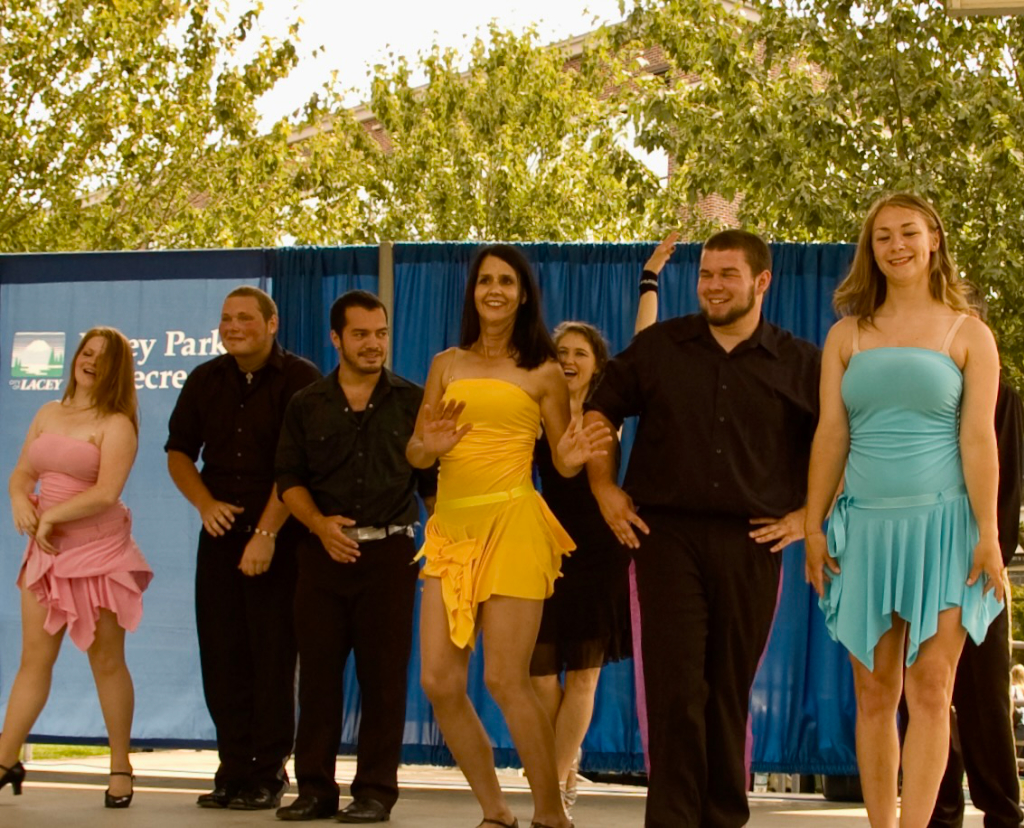
It is fascinating to find this gem of a study! Here is the link of the actual scientific paper published in Springer Nature.
¡Viva la Salsa!
February 2026 • Marie Maez, Director, Salsa Santa Fe
Most photographs by Shawn Donnelly ©2007-2008
.
Cite Source: Xutao Liu, Kim Geok Soh, and Roxana Dev Omar Dev, “Effect of Latin dance on physical and mental health: a systematic review,” BMC Public Health and Springer Nature Link, published July 11, 2023, https://link.springer.com/article/10.1186/s12889-023-16221-6
 Salsa Santa Fe